
NATURES Pain relief
You don’t have to go far from the typical kiwi’s backyard to find some of our favourite herbs to use for pain relief.
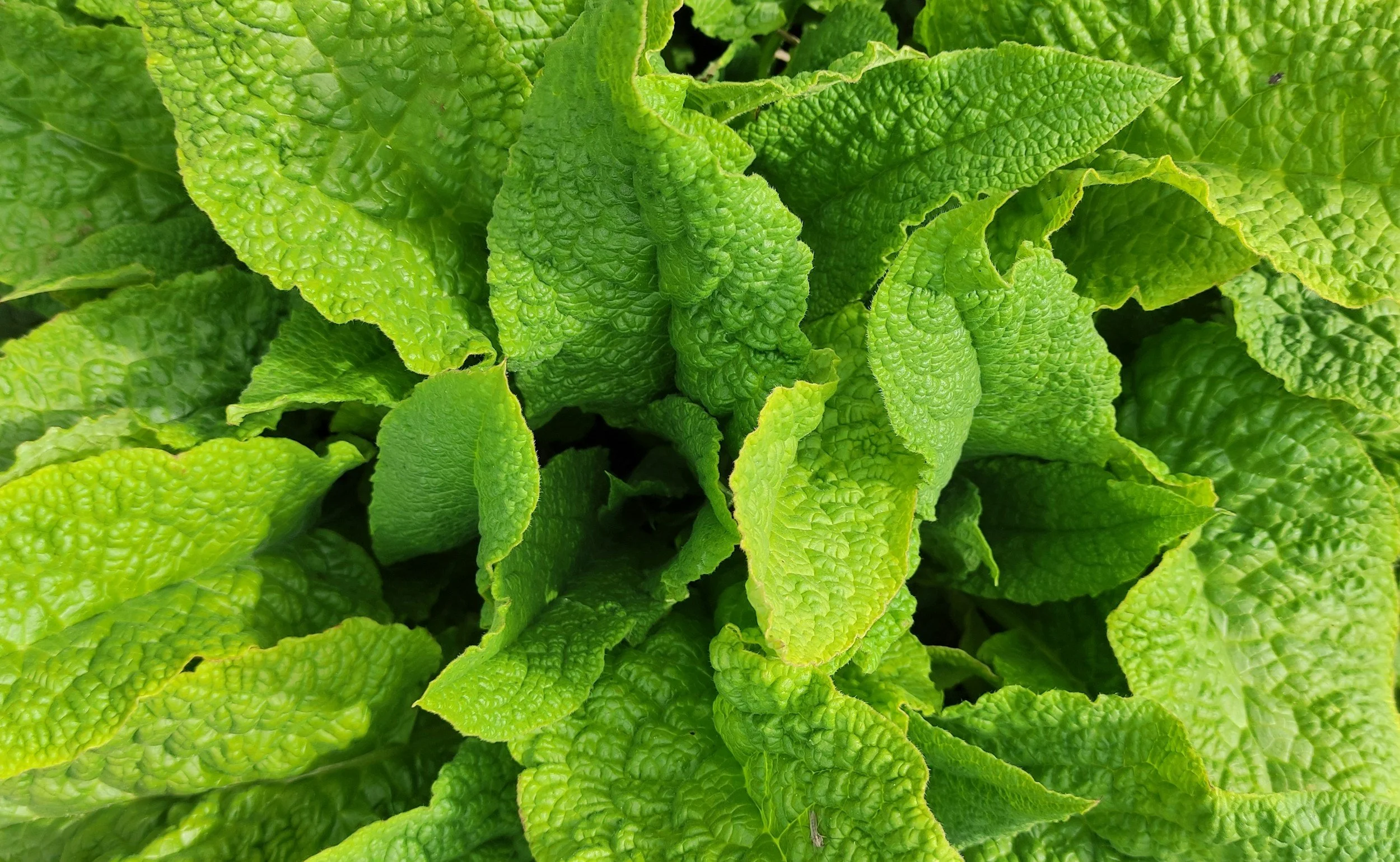
COMFREY
Comfrey (Symphytum officinale) has an extraordinary history in herbal medicine. Its traditional name “knitbone” reflects its centuries-old reputation for helping with injuries, bruising, sprains and broken bones. While we now understand that a topical herb cannot literally knit a broken bone back together, modern research has found some evidence for topical comfrey preparations in relieving pain and inflammation associated with muscle and joint complaints, sprains, strains and bruising. Comfrey contains compounds including allantoin, rosmarinic acid and polysaccharides that have been investigated for their anti-inflammatory and tissue-supporting properties.
We use dried comfrey leaves infused into olive oil, allowing the plant's oil-soluble constituents to be extracted slowly before the infused oil becomes part of the balm. Comfrey is one of the ingredients that gives this formulation its strong herbal tradition around muscles, joints, bruising and physical aches.
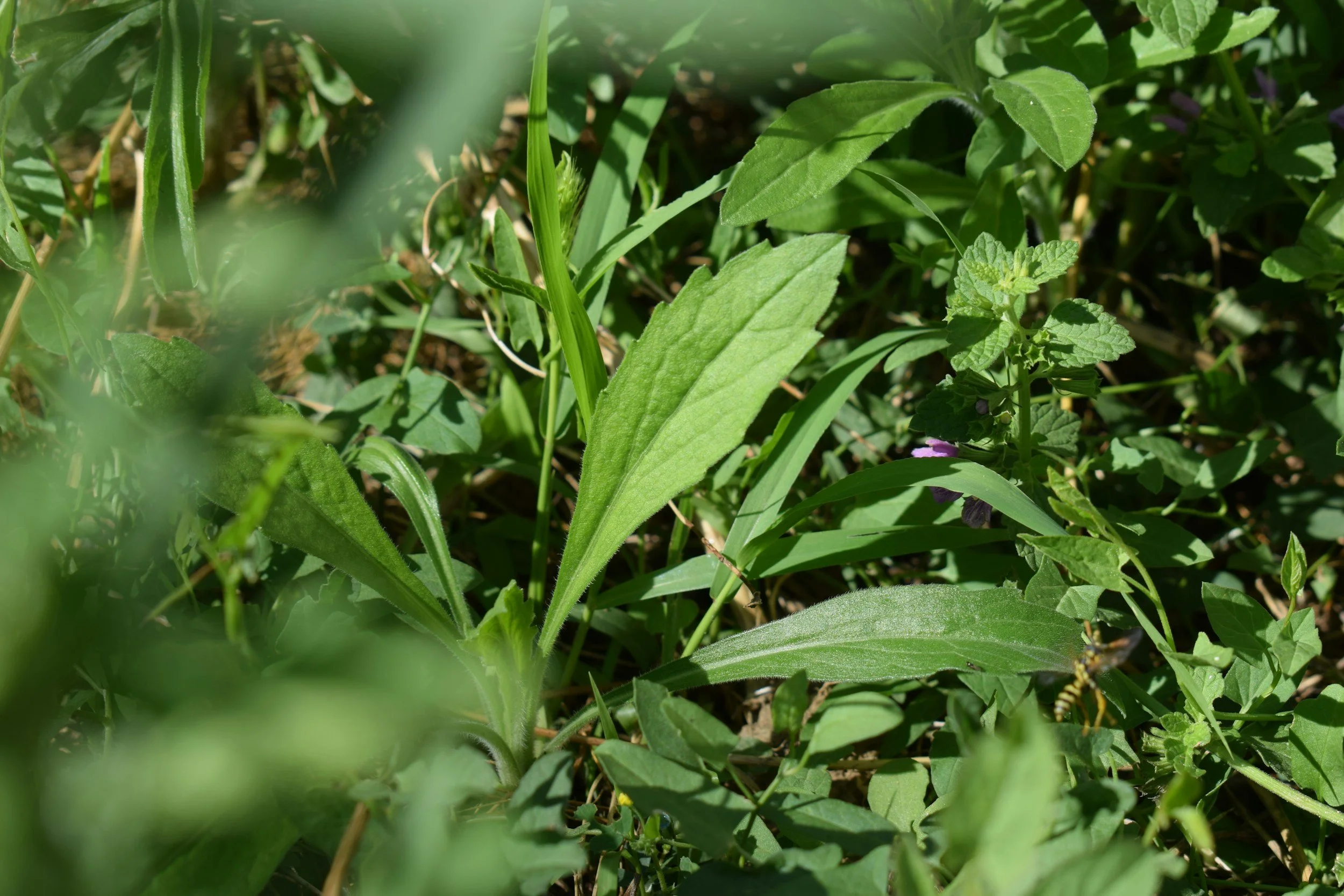
PLANTAIN
Plantain (Plantago species) has a long history as a traditional wound and skin herb. Its leaves were traditionally crushed or bruised and applied directly to wounds, bites, burns, bruises and irritated skin, and preparations of ribwort plantain (Plantago lanceolata) are still used today in herbal skincare. The leaves contain compounds including iridoid glycosides such as aucubin and catalpol, flavonoids, tannins, polysaccharides and phenolic compounds, which have been investigated for antioxidant and anti-inflammatory activity as well as their role in supporting wound healing.
For our balm, the dried plantain leaves are slowly infused into olive oil, rather than simply adding a powdered herb to the finished product. Oil infusion allows the oil-soluble constituents of the plant to migrate into the olive oil over time, creating a botanical oil that can then be incorporated into the balm. Plantain's traditional reputation as a soothing, skin-supportive herb makes it particularly well suited to a balm intended for areas of everyday discomfort, knocks and overworked muscles.
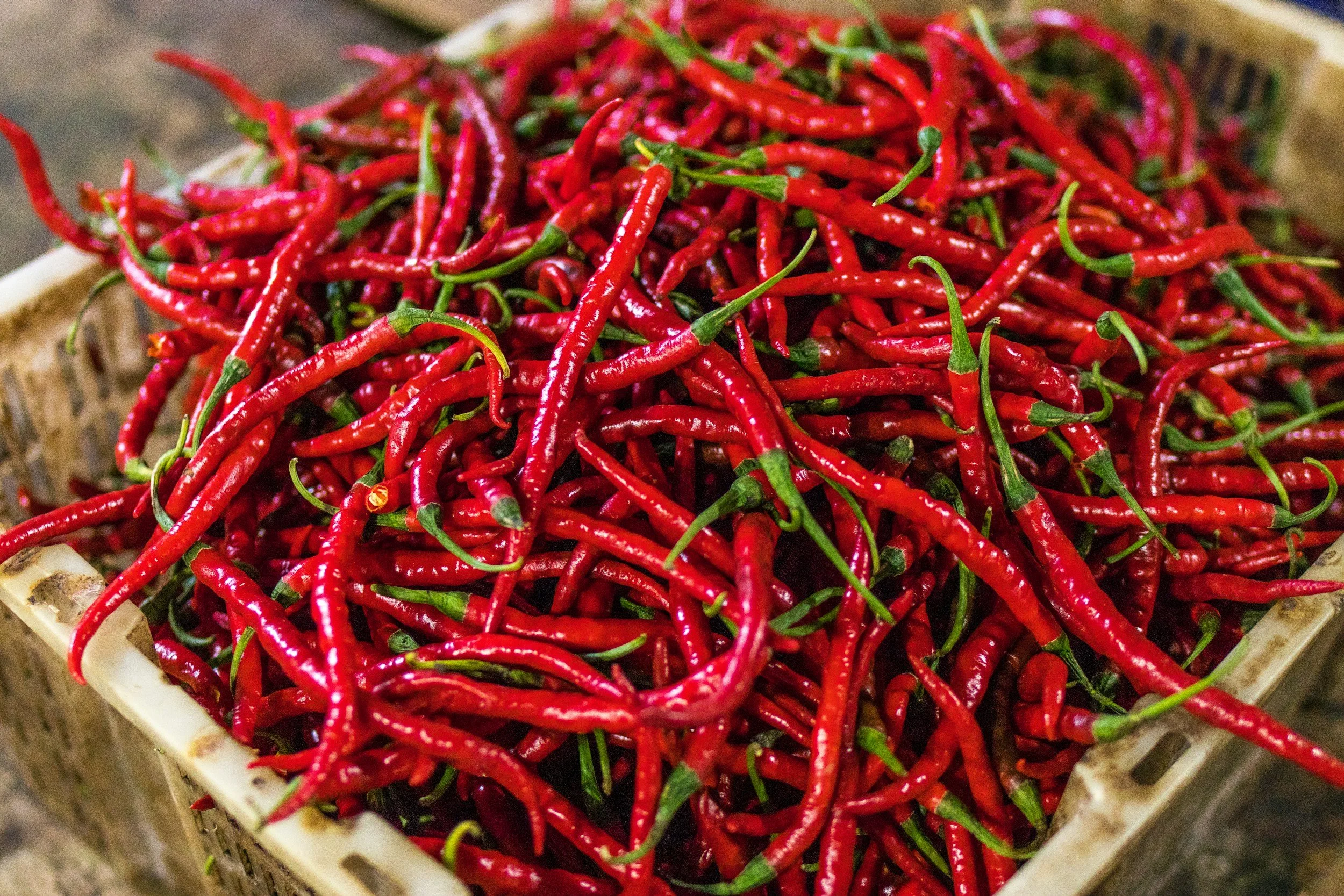
CAYENNE PEPPER
Cayenne (Capsicum annuum/frutescens) brings something quite different to the formulation. Its characteristic heat comes from capsaicin, a compound that interacts with sensory nerve receptors involved in the perception of heat and pain. Interestingly, although cayenne initially produces a warming or burning sensation, repeated topical exposure to capsaicin can reduce the sensitivity of certain pain-sensing nerves. This is why capsaicin creams and other topical preparations have been studied for various types of pain, including some musculoskeletal and nerve-related pain.
Historically, hot peppers were used in traditional medicine in various parts of the world as warming remedies and preparations for aches and circulation. In a balm, cayenne gives the formulation its characteristic warming sensation, making it particularly complementary to herbs such as plantain, comfrey and kawakawa. The intensity of that warmth depends heavily on the concentration and preparation of the cayenne, which is also why a well-formulated balm can provide a warming sensation without necessarily feeling overwhelmingly hot.
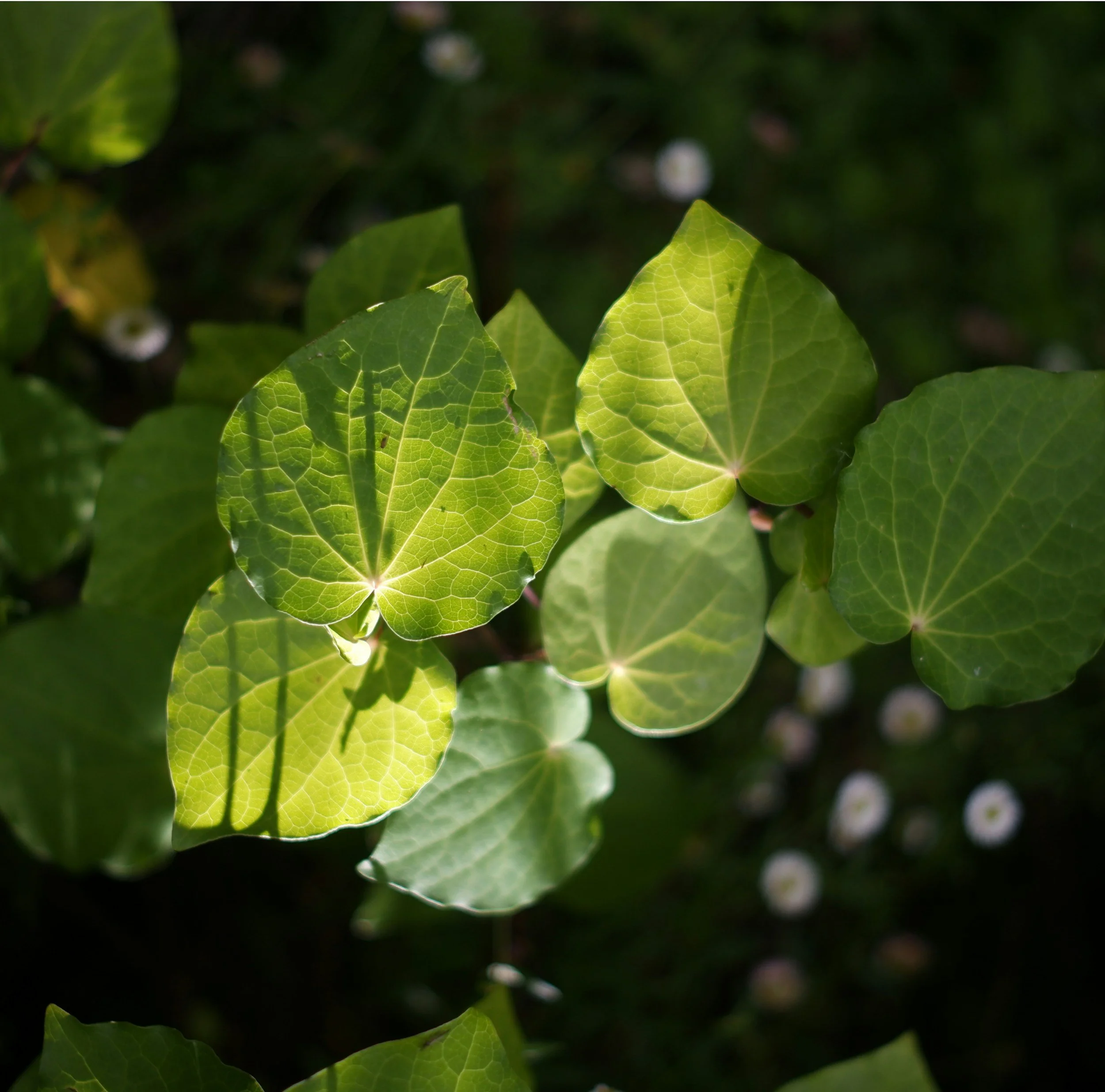
KAWAKAWA leaf
Kawakawa contains a fascinating mix of naturally occurring plant compounds with antioxidant, anti-inflammatory and sensory properties. Some of these compounds have been shown in laboratory research to influence inflammatory pathways and pain-sensing receptors, providing an interesting scientific perspective on the plant's long history of use for aches, irritation and discomfort.
Scientific research into kawakawa is still developing, but its place within Māori rongoā is longstanding, with generations of knowledge surrounding the plant's medicinal uses. We respect that body of knowledge as something in its own right, while continuing to learn from the growing body of modern research into what makes this remarkable plant so active.
We use dried kawakawa leaves, slowly infused into olive oil to draw out the plant's oil-soluble constituents before incorporating the infusion into our balm. Kawakawa is a prolific native tree, particularly abundant throughout the North Island, and its availability in our own region makes it a natural choice for our formulation. Combined with our other warming and soothing botanicals, it brings its own unique character and properties to the balm.
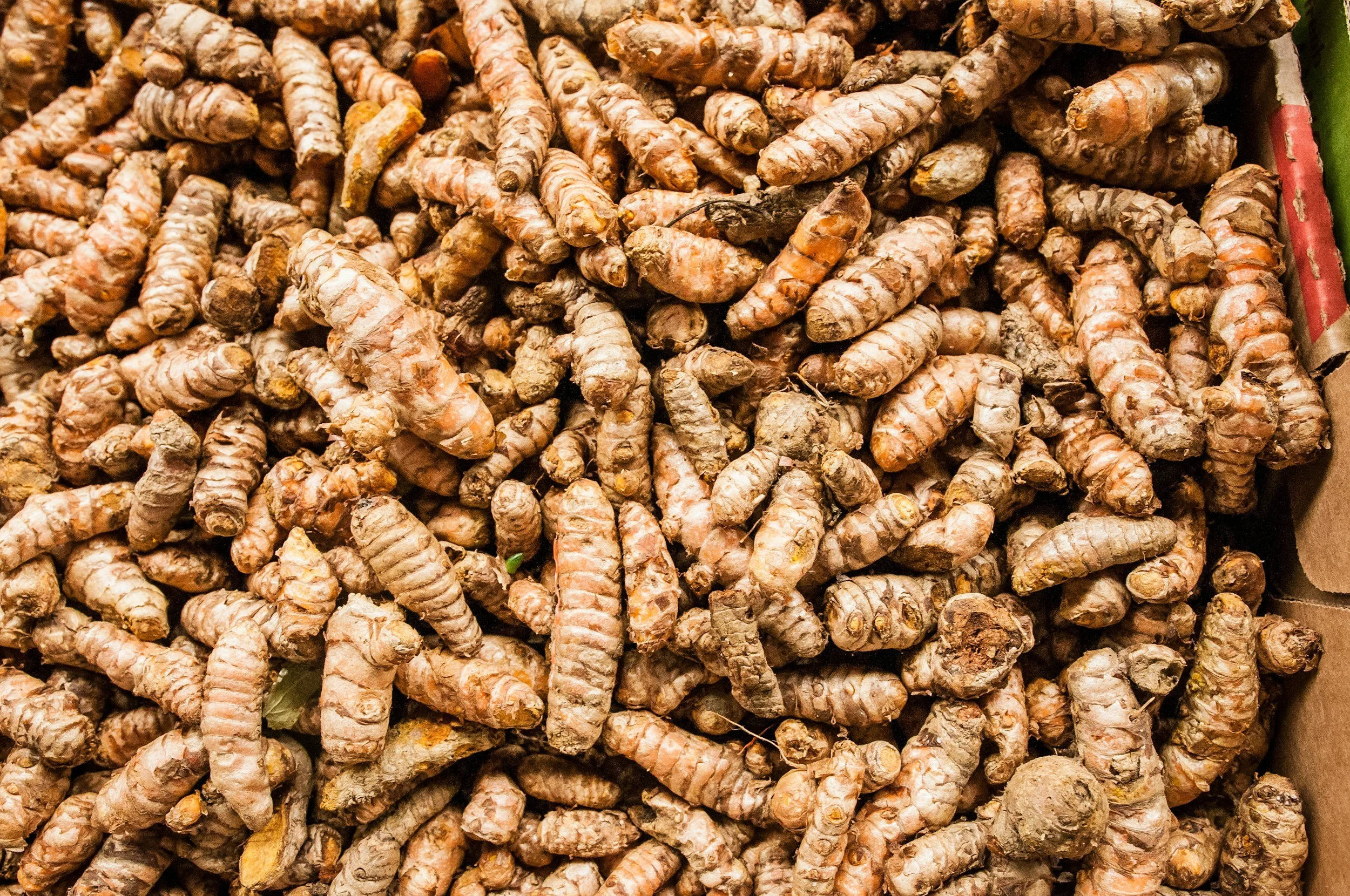
turmeric extract
Turmeric is one of the most extensively studied plants in modern herbal research, with particular interest in its naturally occurring curcuminoids and their anti-inflammatory and antioxidant activity. Modern research has investigated turmeric and curcumin in relation to a wide range of inflammatory and skin conditions, with clinical studies reporting promising effects in areas including psoriasis, itching, skin irritation, wound healing and radiation-related skin damage. Research has also demonstrated effects on inflammatory markers and oxidative stress, helping explain why turmeric continues to attract so much interest in modern natural health and skincare.
We use turmeric extract as part of the botanical blend in our Deep Pain Relief Balm, bringing its long history of traditional use together with what modern research is discovering about this remarkable plant. It complements the warming qualities of cayenne and black pepper and the soothing botanicals in our herbal infusion, creating a formulation designed to provide comforting care to areas of everyday aches, tension and discomfort.